

Where Excellence
Meets Hope
 Novinka
6. ročník evropského kongresu o volné DNA s GENNET účastí
Klíčem ke špičkové a efektivní péči jsou odborníci, kteří neustále pracují na zdokonalování svých znalostí. Proto se náš NIPT tým (tým pro neinvazivní prenatální testování) vydal na začátku března do Olomouce na 6. ročník evropského kongresu o volné DNA …
Novinka
Týmy GENNET prezentovaly výsledky studií na Martinské konferenci
Velmi nás těší aktivní účast našich odborníků v oblasti genetiky na Martinské konferenci 2024, které se konala v půlce března ve slovenském Martine. Letošní ročník probíhal opět ve dvou dnech, kdy první den byl zaměřen klinickou genetiku a molekulární…
Novinka
GENNET na konferenci Kaprasův memoriál 2024
Velmi nás těší aktivní účast našich odborníků na konferenci klinické genetiky Kaprasův den 2024. Zástupci GENNET aktivně přispěli do programu konference našimi vlastními výsledky a s předními odborníky v oblasti genetiky sdíleli přednášky na téma...
Novinka
Velikonoční otevírací doba
Vážené klientky a klienti, rádi bychom Vás informovali o otevírací době během velikonočních svátků. Ve dnech 29.3. – 30.3. a 1.4. 2024 máme na všech pobočkách GENNET otevřeno pouze pro objednané pacienty a urgentní případy.

Naše úspěšnost
Díky špičkové práci našich zkušených embryologů dosahujeme více než 85% úspěšnosti oplození vajíček. Díky tomu vzrůstá šance na výběr vhodného embrya k transferu. Statistika úspěšnosti léčby na klinikách GENNET vychází z počtu klinických těhotenství našich klientek.
Úspěšnost
IVF programu dle věku
-
Počet všech cyklů
na klinikách GENNET Téměř 5000 -
Úspěšnost
darovací program 69 % -
Úspěšnost
IVF léčby více než 40 %
Vaše příběhy
Kliniky & Technologie


Ing. Michal Fazekaš
Jednatel společnosti
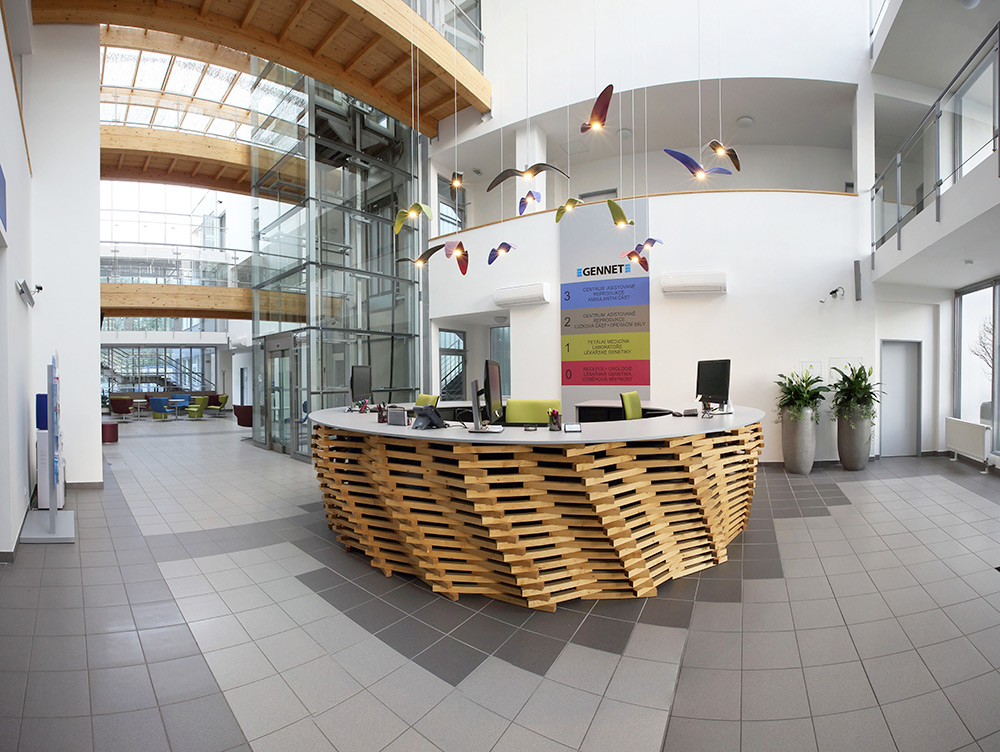
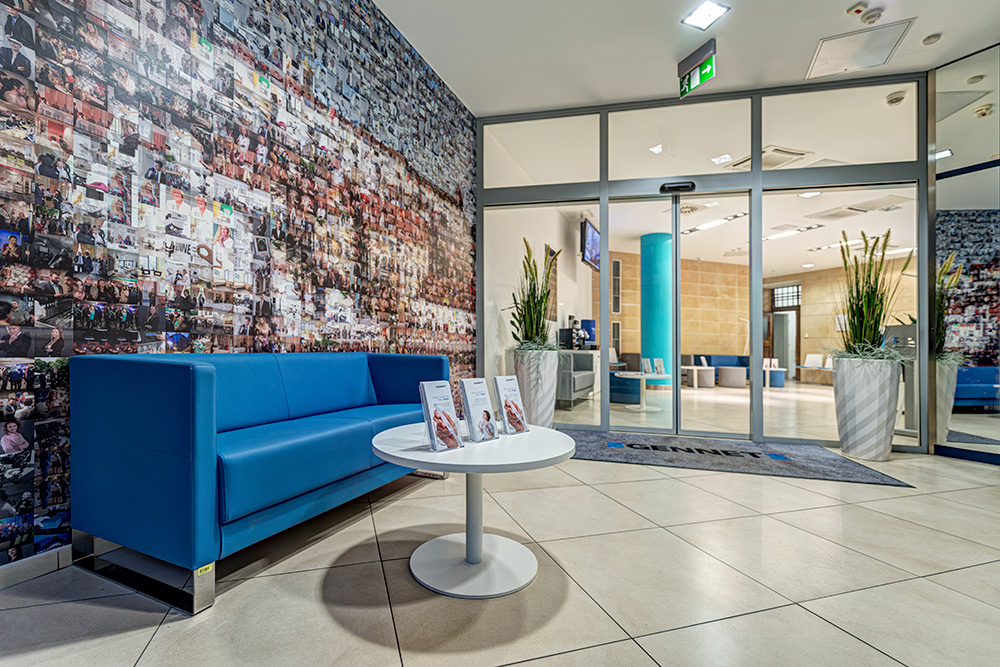
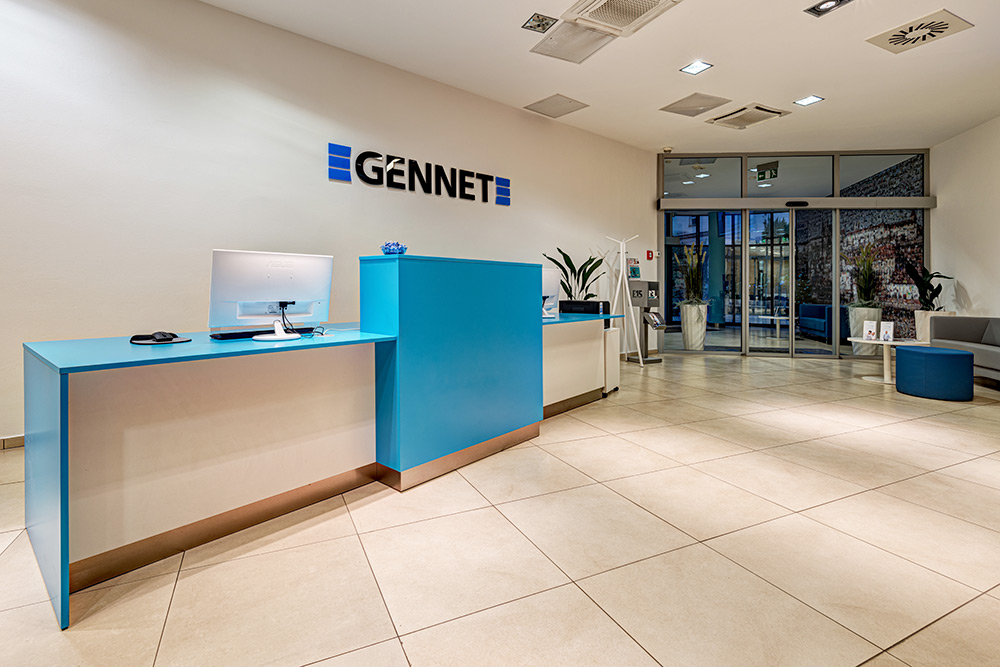
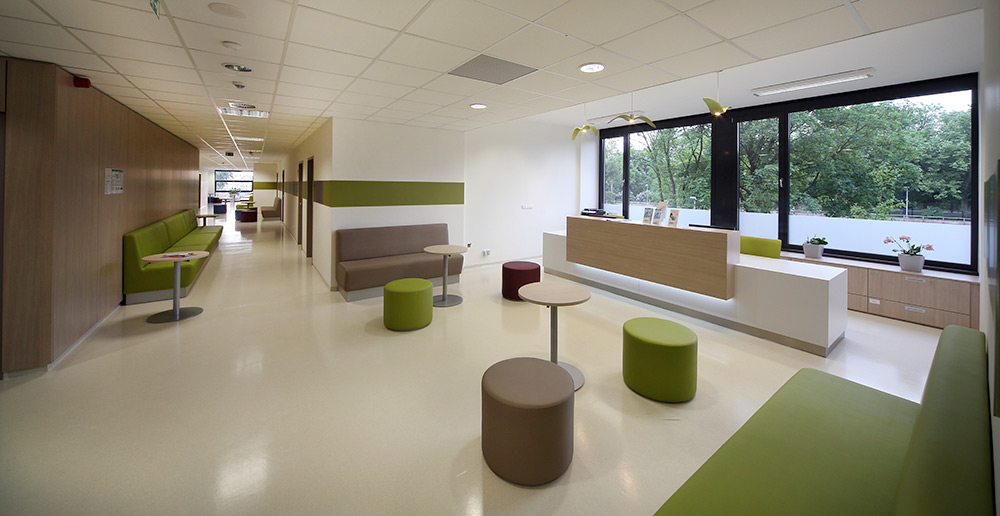
Klinika GENNET byla založena již v roce 1996 jako centrum lékařské genetiky. O služby v oblasti léčby neplodnosti byla rozšířena v roce 2005 a dnes má tři pracoviště v České republice.
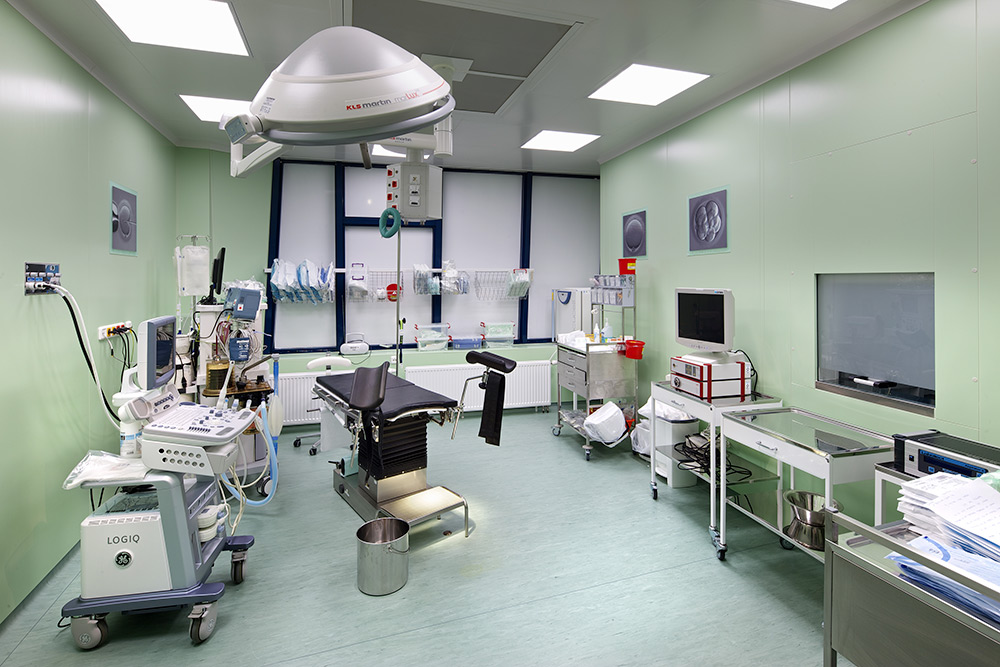
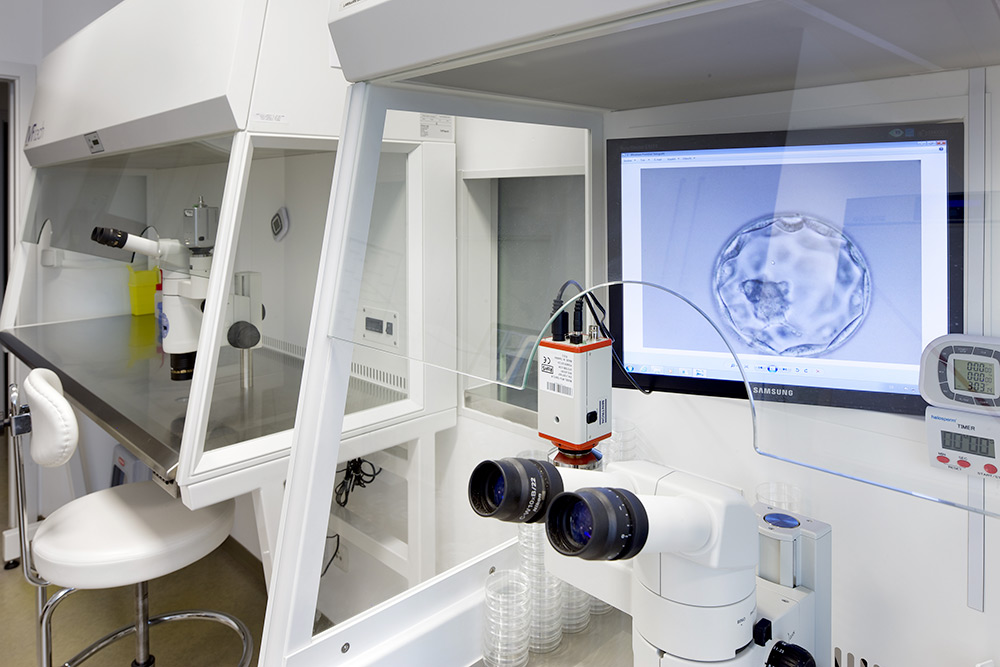
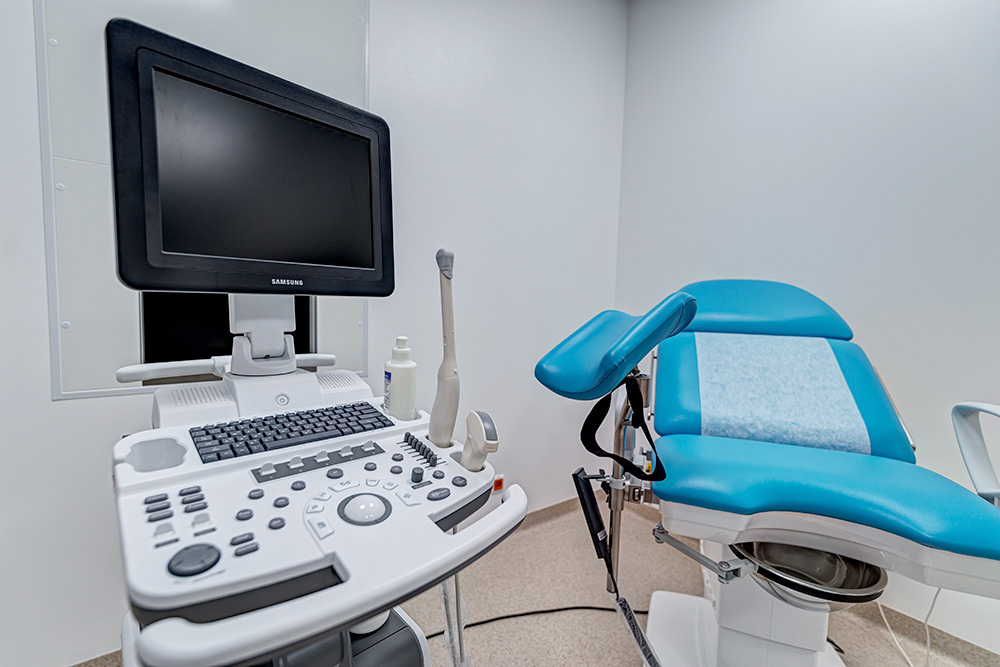
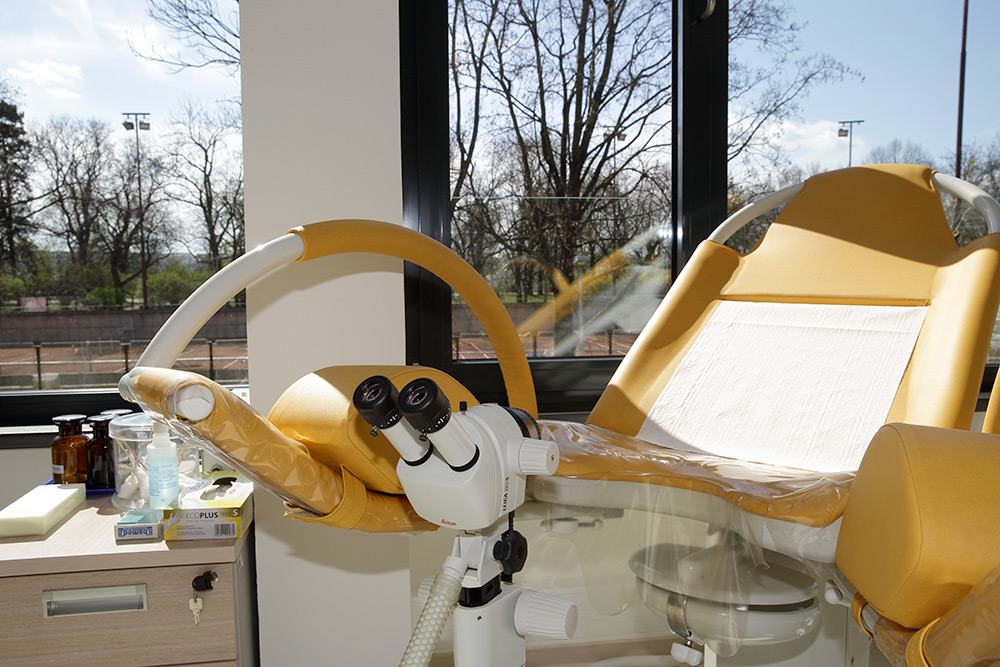
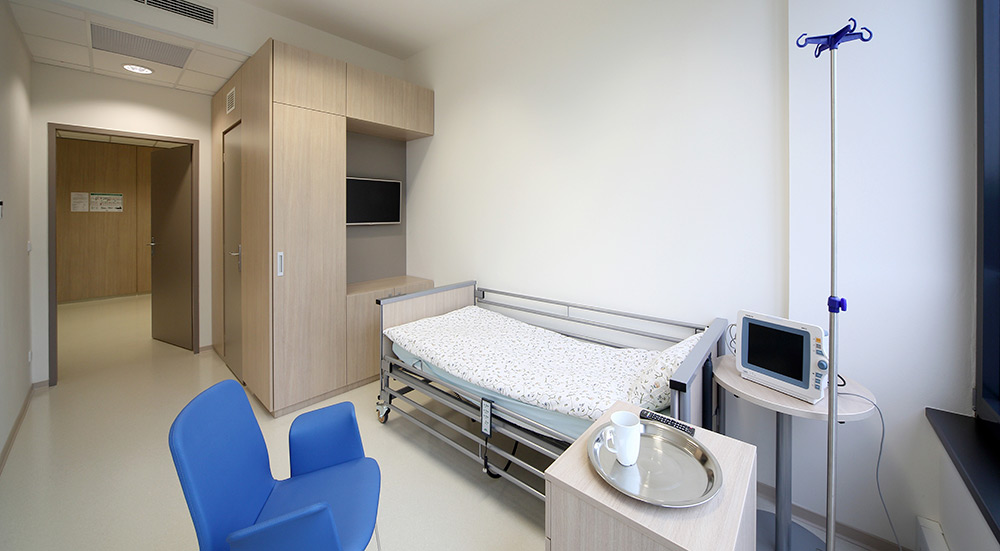
Aktuálně GENNET poskytuje komplexní služby v péči o mužské i ženské reprodukční zdraví. Za základ považujeme správnou diagnostiku problému přes genetické, imunologické anebo urologické vyšetření. Samotná IVF léčba je pod kontrolou našich zkušených IVF lékařů, embryologů a sester, podpořená nejnovější technologií a vybavením. Naše těhotné pacientky vždy s úsměvem přivítá tým zkušených prenatálních sonografistů.
Jsem velmi rád, že mohu ze své pozice generálního ředitele přispět k tomu, aby se všichni naši klienti cítili spokojeně, příjemně, bezpečně a aby každá léčba směrovala k úspěšnému výsledku.

